If you’ve been told your blood pressure is “a little high” or you’ve simply ignored the numbers for years, the newest guidelines should get your attention.
In 2025 the American Heart Association and American College of Cardiology released their first major update to high blood pressure guidelines since 2017. The changes are practical, clearer, and more aggressive about acting earlier. Nearly half of U.S. adults already have elevated or high blood pressure, and most of them don’t even know it. This update is designed to change that.
Here’s exactly what changed, what the new numbers mean for you, and the realistic steps that actually move the needle.
Book a consultation and we’ll assess best therapy that is right for you.
The biggest shift is simple: doctors are now encouraged to act sooner.
Under the previous 2017 guidelines, many people with readings in the 130s were told to “watch and wait.” The new guidelines lower the threshold for starting treatment. If your blood pressure is consistently 130/80 or higher, lifestyle changes should begin immediately, and medication is often recommended sooner — especially if you have other risk factors.
Other important updates include:
- Stronger language around alcohol (more on this below)
- Clearer categories and targets for pregnancy
- Recommendations to screen more patients for primary aldosteronism
- Routine urine albumin-creatinine ratio testing
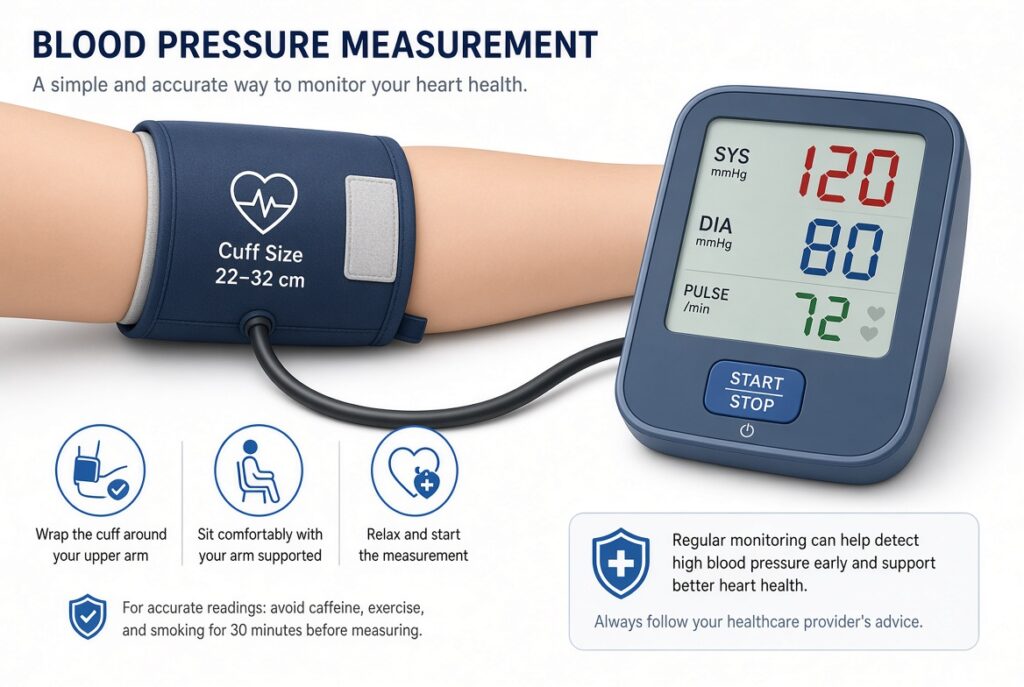
- Greater emphasis on home blood pressure monitoring
- Updated use of the PREVENT risk calculator
The goal is no longer just avoiding a crisis. It’s protecting your heart, brain, kidneys, and long-term quality of life starting now.
Know Your Numbers: The Current Categories
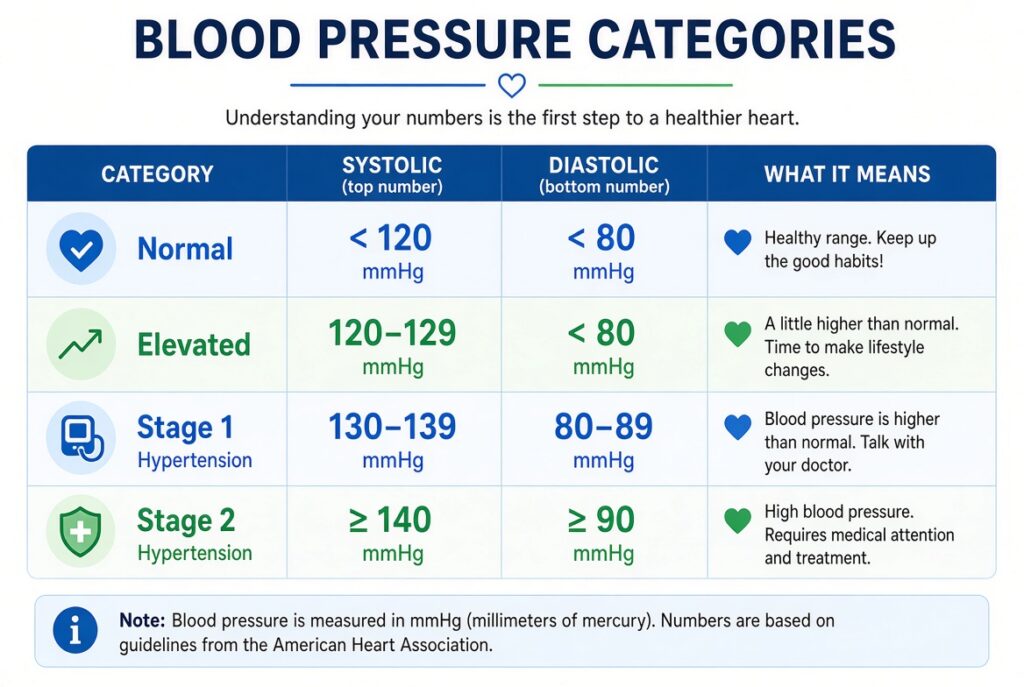
Here are the official categories used in the new guidelines:
- Normal: Less than 120 / less than 80
- Elevated: 120–129 / less than 80
- Stage 1 Hypertension: 130–139 / 80–89
- Stage 2 Hypertension: 140 or higher / 90 or higher
- Hypertensive Crisis: Higher than 180 / higher than 120 (seek emergency care if symptoms are present)
The target for most adults is now under 130/80, with many experts aiming as close to 120/80 as safely possible.
The Biggest Practical Changes You Need to Know
Treatment starts earlier If your readings are regularly in the Stage 1 range, your doctor will likely recommend lifestyle changes right away. Medication is often considered sooner than before, especially if you already have diabetes, kidney disease, or elevated cardiovascular risk on the PREVENT calculator.
Alcohol recommendations got stricter The new guidelines take a much stronger stance. Research shows blood pressure rises in direct relation to how much alcohol you drink. The safest approach is to minimize or eliminate alcohol completely. If you do drink, the limit is no more than two drinks per day for men and one drink per day for women. Cutting your intake in half often produces measurable improvement.
Home monitoring is now strongly encouraged Office readings alone are no longer enough for many people. White-coat hypertension is real, and so is masked hypertension. The guidelines recommend regular home monitoring with a validated upper-arm cuff device for anyone with elevated or high readings.
Pregnancy guidance was clarified New thresholds make diagnosis and treatment during pregnancy clearer. High blood pressure before, during, or after pregnancy raises lifelong cardiovascular risk, so monitoring matters more than ever.
Resistant hypertension has new options For people whose blood pressure stays high despite three or more medications, the guidelines now include renal denervation as a treatment consideration in selected cases.
Why These Changes Matter Beyond Your Heart?
High blood pressure is still the leading preventable risk factor for heart attack and stroke. Newer research also links uncontrolled blood pressure to faster cognitive decline and higher dementia risk. The blood vessels in your brain feel the same pressure your heart does. Lowering the numbers protects both.
Women face additional considerations around pregnancy and the years that follow. The guidelines highlight this more clearly than previous versions.
How to Lower Your Blood Pressure Starting Today?
Lifestyle remains the foundation — and the new guidelines lean into it harder than ever.
- Cut sodium. Aim for less than 2,300 mg per day, and ideally closer to 1,500 mg. Most of it hides in packaged and restaurant food.
- Follow a DASH-style pattern. More vegetables, fruits, whole grains, lean proteins, nuts, and low-fat dairy. Less processed food and added sugar.
- Move more. Both aerobic activity and strength training help. Even consistent walking makes a difference.
- Lose a modest amount of weight. A 5% drop in body weight is often enough to lower readings noticeably.
- Manage stress and sleep. Chronic stress and poor sleep keep blood pressure elevated. Simple daily practices (breathing, short walks, consistent bedtimes) add up.
- Limit or eliminate alcohol. This single change produces some of the fastest measurable results for many people.
These steps work best when they become habits rather than short-term fixes.
How to Check Your Blood Pressure Accurately at Home?
Use a validated upper-arm monitor (wrist and finger devices are less reliable). Sit quietly for five minutes first. Keep your feet flat, back supported, and arm resting at heart level. Take two readings one minute apart and write both down. Measure at the same times each day and bring the log to your doctor.
When Lifestyle Needs Extra Support?
Some people will still need medication. That is not failure — it is modern medicine working as intended. The PREVENT calculator helps doctors decide when the benefits of starting medication outweigh the risks. For resistant cases, additional options now exist.
The key is partnership with your physician. These guidelines give both of you clearer targets and better tools.
Small Steps You Can Take This Week
- Buy or borrow a validated home blood pressure monitor.
- Check your readings twice a day for seven days and write them down.
- Cut one source of hidden sodium (bread, sauce, or packaged snacks).
- Reduce alcohol by half or more.
- Add a 20-minute walk most days.
- Schedule a conversation with your doctor about the new guidelines.
None of these require perfection. Consistency beats intensity.
High blood pressure is common, often silent, and highly modifiable. The 2025–2026 guidelines simply give us better, clearer directions than we had before. The sooner you act, the more protection you give your heart, brain, and future self.
At Cucci Chiropractic, we see every day how stress, poor movement patterns, restricted mobility, and nervous-system tension can make it harder for people to stick with the lifestyle changes these new guidelines recommend. While we do not diagnose or treat high blood pressure, our focus on reducing physical stress, improving posture and mobility, and supporting overall nervous-system function helps many patients feel better and stay more consistent with the heart-healthy habits their doctors recommend. When the body moves more freely and the stress load drops, the daily choices that protect blood pressure become easier to maintain.
If your numbers have been creeping up or you’ve been putting off checking them, now is a good time to take the next step. Your future self will thank you.