When your body feels tense, restricted, or unable to fully relax, you may be looking for a gentler approach to hands-on care.
Some people experience persistent tightness through the neck and shoulders. Others notice physical tension during stressful periods, recurring discomfort, or a general feeling that their body isn’t moving or resting as comfortably as it should.
At Cucci Chiropractic, we take time to understand what you’re experiencing before recommending treatment.
For some patients, we may consider Craniosacral Therapy as part of an individualized care plan.
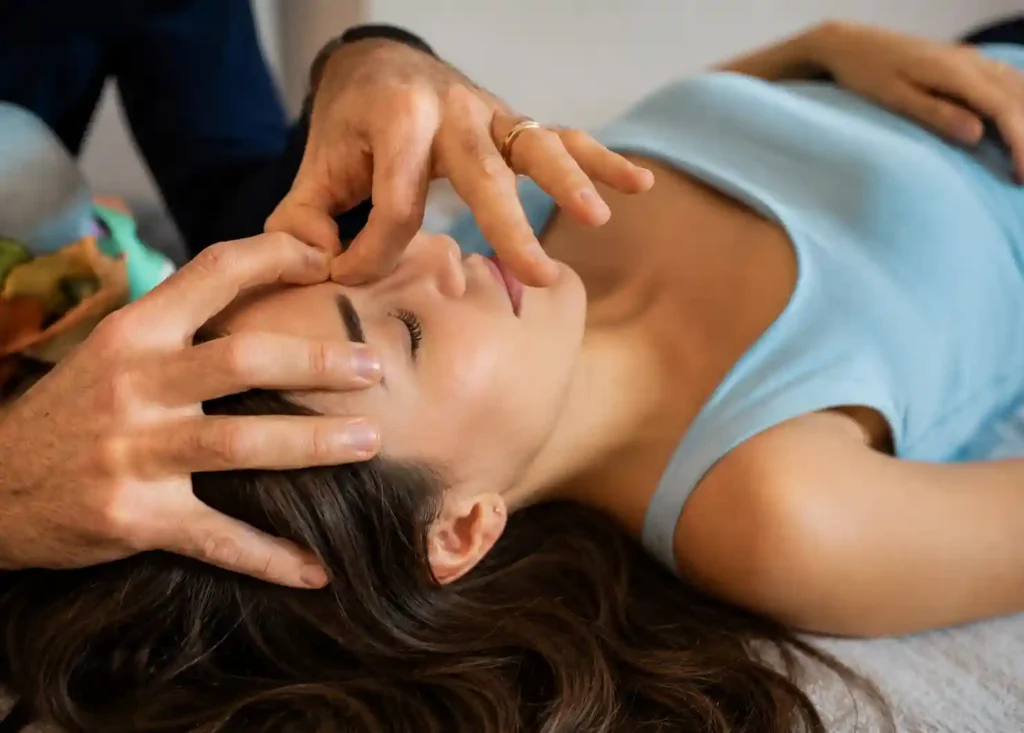
Craniosacral Therapy is a gentle, hands-on technique that uses light touch and carefully placed hand positions. Rather than relying on forceful movements or traditional spinal manipulation, the approach focuses on areas of tension and restriction while providing a calm treatment experience.
We don’t believe one technique is appropriate for every patient.
Before recommending Craniosacral Therapy, we’ll discuss your health history, symptoms, and goals. We’ll evaluate your movement and physical findings and determine whether this gentle approach may be appropriate for your individual needs.
Our goal is to provide thoughtful, personalized care focused on comfort, movement, and overall physical well-being.
Book a consultation and we’ll assess whether Cranial Sacral Therapy is right for you.
Craniosacral Therapy, sometimes searched for as cranial sacral therapy, is a light-touch, hands-on treatment approach.
The technique focuses on areas associated with the head, spine, sacrum, and surrounding soft tissues.
During a session, we use gentle hand placements to assess areas that feel tense or restricted. The amount of pressure used is typically very light, making the experience noticeably different from deep tissue massage or more forceful manual techniques.
The treatment isn’t about pushing your body into a specific position.
Instead, we pay attention to how your body responds to gentle contact and adapt the session based on your individual comfort and physical findings.
Some patients choose Craniosacral Therapy because they’re sensitive to stronger manual techniques. Others are interested in a calming form of hands-on care that may be incorporated into a broader chiropractic or wellness plan.
Whatever brings you to our office, we begin with an evaluation rather than assuming this technique is right for you.
Understanding the Craniosacral System
The craniosacral system includes structures associated with the brain and spinal cord, including protective membranes and cerebrospinal fluid.
These structures extend from the skull through the spinal canal and are part of a complex system that supports and protects the central nervous system.
Craniosacral Therapy developed around the concept of using gentle touch to assess tension and restrictions involving the tissues associated with these areas.
It’s important to explain this carefully.
We don’t claim that light-touch therapy can treat every neurological condition or directly correct every nervous system problem.
Instead, we use Craniosacral Therapy as a gentle hands-on approach when our evaluation suggests it may be appropriate for a patient’s comfort, physical tension, or overall treatment goals.
At Cucci Chiropractic, we believe clear explanations and realistic expectations are an important part of care.
How We Approach Craniosacral Therapy?
Every Craniosacral Therapy session begins with the person receiving the treatment.
We want to understand:
- What you’re feeling
- Where you notice tension or discomfort
- How long your symptoms have been present
- What activities influence your symptoms
- What treatments you’ve already tried
- Whether you’re sensitive to pressure or manual techniques
- What you hope to achieve through care
This information helps us decide how to approach your session.
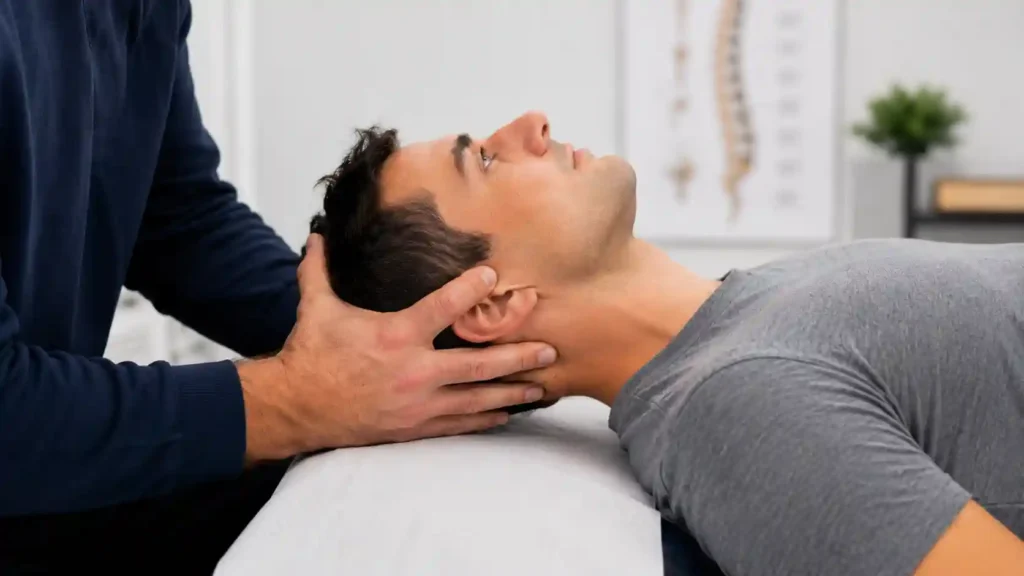
During treatment, we may use gentle hand placements around the head, neck, spine, sacrum, or other areas based on your individual needs.
We pay attention to areas of muscular or soft tissue tension and how your body responds throughout the session.
If something feels uncomfortable, we want you to tell us.
Craniosacral Therapy should be a collaborative experience. Your feedback helps us adjust our approach and make appropriate treatment decisions.
Why Do Patients Consider Craniosacral Therapy?
People consider Craniosacral Therapy for many different reasons.
Some are looking for a gentle form of hands-on care after finding deeper pressure uncomfortable.
Others experience persistent physical tension that seems to return even after massage, stretching, or other treatments.
Patients may also be interested in a quieter, less forceful treatment experience.
Following an evaluation, we may consider Craniosacral Therapy for patients experiencing:
Neck And Shoulder Tension
The neck and shoulders are common areas of physical tension.
Hours spent working at a computer, looking at a phone, driving, or maintaining the same position can place ongoing demands on the muscles surrounding the cervical spine and upper back.
You may notice:
- Tight shoulders at the end of the day
- Stiffness at the base of the neck
- Difficulty relaxing the upper body
- Muscle tension after computer work
- Discomfort associated with prolonged sitting
- A persistent feeling of physical tightness
During your evaluation, we’ll look at your neck movement, posture, upper back mobility, and surrounding muscle tension.
If we determine that a gentle approach is appropriate, Craniosacral Therapy may become one part of your care plan.
We may also discuss movement habits, posture, or other treatment options when these factors appear to be contributing to your symptoms.
Headache-Related Muscle Tension
Headaches can have many different causes.
That’s why we don’t assume every headache is related to muscle tension or the cervical spine.
Some people, however, notice significant tightness through the neck, shoulders, jaw, or base of the skull when headaches occur.
During your examination, we’ll discuss your headache pattern and evaluate your movement and physical findings.
If muscular or soft tissue tension appears to be one contributing factor, we may consider gentle hands-on techniques as part of your individualized care plan.
Our goal is to understand your symptoms rather than make broad claims about what one therapy can treat.
If your symptoms suggest that additional medical evaluation is appropriate, we’ll discuss that with you.
Physical Tension During Stressful Periods
Stress doesn’t affect everyone in the same way.
Some people notice changes in sleep or energy.
Others physically tighten their shoulders, clench their jaw, or carry persistent tension through the neck and upper back.
You may not even realize you’re doing it until the muscles begin to feel tired or uncomfortable.
Craniosacral Therapy doesn’t treat the source of emotional stress.
However, some patients choose this gentle approach because they prefer a calm treatment environment focused on physical relaxation and comfort.
During your session, we use light touch and adapt treatment to your comfort level.
We may also discuss other physical factors contributing to muscle tension, including posture, prolonged sitting, and repetitive movement.
Jaw and Facial Muscle Tension
Jaw tension can affect eating, speaking, sleeping, and overall comfort.
Some patients notice jaw tightness during periods of stress. Others clench or grind their teeth, particularly while sleeping.
Because the muscles of the jaw, face, neck, and upper shoulders work closely together, we may evaluate several areas rather than focusing on the jaw alone.
Depending on your examination findings, gentle hands-on techniques may be considered as part of your care.
When dental evaluation or another healthcare provider is more appropriate, we’ll discuss that with you as well.
A symptom list alone doesn’t determine whether Craniosacral Therapy is appropriate.
Our recommendations are always based on your health history, examination findings, and individual needs.
Craniosacral Therapy for Patients Who Prefer Gentle Care
Not everyone feels comfortable with deeper pressure or more forceful hands-on techniques.
Some patients are sensitive to touch.
Others have had previous treatment experiences that made them nervous about manual care.
We respect that.
At Cucci Chiropractic, we don’t believe treatment should be unnecessarily aggressive.
Craniosacral Therapy provides a gentle option for appropriate patients who may prefer light-touch care.
Before treatment begins, we’ll explain what we plan to do and encourage you to ask questions.
During your session, we pay attention to your feedback and adjust our approach when needed.
Your comfort matters.
Craniosacral Therapy and Myofascial Techniques
Muscles and fascia work together throughout the body.
Fascia is connective tissue that surrounds and supports muscles and other structures. When areas of soft tissue become tight or restricted, movement may feel uncomfortable or limited.
Depending on your individual needs, we may combine gentle Craniosacral Therapy with selected myofascial or soft tissue techniques.
We don’t automatically combine treatments.
Instead, we choose each technique based on your examination findings and treatment goals.
For one patient, a light-touch session may be most appropriate.
For another, we may use a combination of gentle hands-on care, myofascial techniques, movement recommendations, or chiropractic care.
The treatment plan should fit the patient.
The patient shouldn’t have to fit a predetermined treatment protocol.
We Focus on the Person, Not Just the Technique
Craniosacral Therapy is a treatment technique.
It isn’t the entire treatment plan.
At Cucci Chiropractic, our first priority is understanding the person in front of us.
We want to know how you move.
We want to understand when your symptoms occur.
We consider previous injuries, daily activities, work habits, and treatment experiences.
We listen to your concerns.
Only then do we determine whether Craniosacral Therapy or another treatment approach may be appropriate.
If we believe this gentle technique fits your needs, we’ll explain why.
If we believe another approach would be more appropriate, we’ll discuss that honestly.
Our goal isn’t to perform a particular technique on every patient.
Our goal is to provide personalized care based on your individual needs, comfort, and physical findings.
Why Patients Choose Cucci Chiropractic?
Patients choose Cucci Chiropractic because we believe good care begins with listening.
We take time to understand your concerns before making treatment recommendations.
Our approach focuses on:
- Individualized evaluations
- Personalized care plans
- Gentle treatment options
- Clear explanations
- One-on-one attention
- Honest recommendations
- Ongoing progress assessment
We don’t promise that one technique can solve every problem.
We believe in evaluating each patient carefully and selecting treatment based on what we find.
When Craniosacral Therapy is appropriate, we’ll explain how it fits into your care and what you can expect from your session.
When another treatment approach is more appropriate, we’ll tell you.
That’s how we believe healthcare decisions should be made.