Recovering from a musculoskeletal injury or ongoing discomfort often involves more than managing symptoms alone. After an injury or period of inactivity, changes in strength, balance, flexibility, and movement patterns may affect how the body functions during everyday activities.
At Cucci Chiropractic, we provide individualized rehabilitation services designed to complement chiropractic care and help patients improve movement, stability, and overall physical function. Every rehabilitation program begins with a comprehensive evaluation to determine your specific needs, goals, and current level of function.
Led by Dr. Joseph Cucci, our patient-centered approach combines chiropractic care with rehabilitation strategies that are tailored to your condition and adjusted as your progress is monitored over time.
Our rehabilitation services may include:
- Neuro Re-Education
- Performance Rehabilitation Exercises
- Dynamic Functional Activities

Book a consultation and we’ll assess whether Rehabilitation & Recovery is right for you.
Rehabilitation focuses on improving how your body moves after injury, physical stress, or prolonged discomfort. While chiropractic adjustments may help improve joint mobility, rehabilitation exercises are designed to support strength, flexibility, balance, and coordinated movement.
Depending on your evaluation, rehabilitation may focus on:
- Improving movement quality
- Supporting joint stability
- Increasing flexibility
- Enhancing muscle control
- Improving balance and coordination
- Promoting confidence during daily activities
Every rehabilitation plan is individualized, recognizing that no two patients recover in exactly the same way.
Your Comprehensive Evaluation
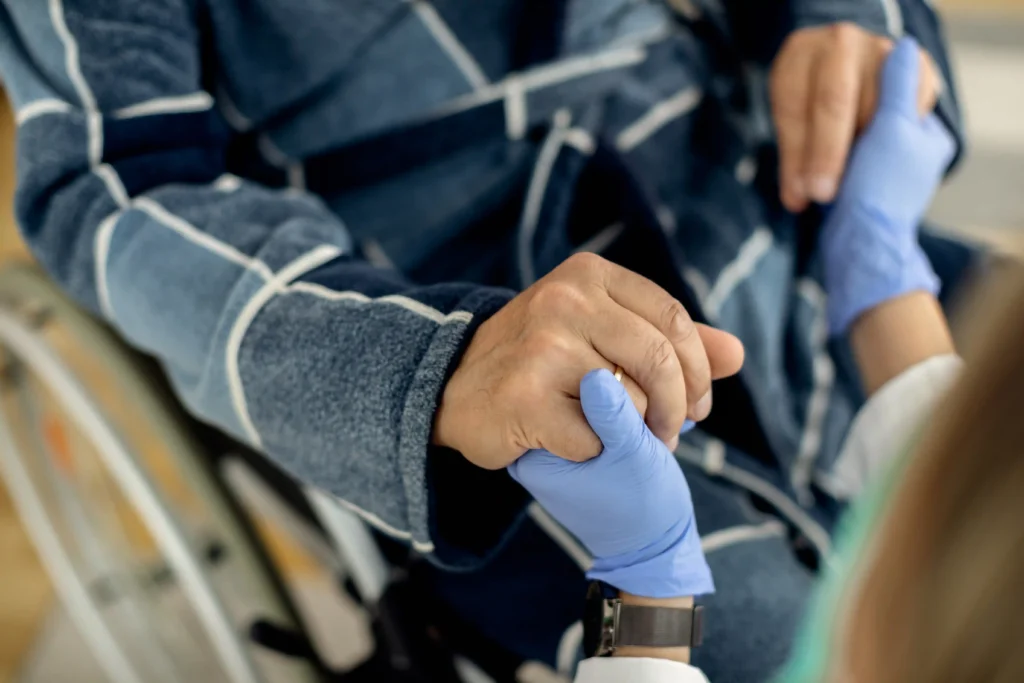
Following injury or prolonged discomfort, the body may develop movement patterns that are less efficient or place additional stress on muscles and joints.
Neuro Re-Education uses structured exercises designed to improve coordination, balance, and body awareness as part of a comprehensive rehabilitation program.
Depending on your condition, treatment may include:
- Balance exercises
- Controlled movement training
- Proprioceptive exercises
- Stability training
- Functional coordination activities
These exercises are introduced gradually and modified according to your comfort level and progress throughout care.
Performance Rehabilitation Exercises
Performance rehabilitation focuses on restoring strength, flexibility, endurance, and movement control through individualized exercise programs.
Depending on your examination findings, exercises may include:
- Core stabilization
- Flexibility and mobility exercises
- Resistance training
- Functional strengthening
- Range-of-motion activities
Programs are tailored to your current level of function and adjusted as your abilities improve.
Whether you’re returning to work, recreational activities, or everyday tasks, rehabilitation exercises are designed to support safe and gradual progression.
As rehabilitation progresses, treatment may include dynamic activities that simulate movements commonly performed during daily life.
Examples may include:
- Squatting and bending
- Reaching activities
- Controlled lifting techniques
- Walking and balance exercises
- Coordination drills
These exercises help patients apply improved strength and movement control to everyday activities while promoting confidence during functional movement.
Every activity is selected according to your condition, goals, and stage of rehabilitation.
What to Expect During Your Care?
Your rehabilitation program is monitored throughout your treatment to ensure it continues to meet your needs.
Depending on your progress, your care plan may include:
- Chiropractic adjustments when appropriate
- Guided rehabilitation exercises
- Home exercise instruction
- Progress evaluations
- Modifications to your treatment plan as needed
We believe rehabilitation should progress at a pace that matches your individual recovery and comfort level.
Why Choose Cucci Chiropractic?
At Cucci Chiropractic, we believe rehabilitation should be personalized, practical, and focused on helping patients improve movement and everyday function.
Our approach includes:
- Comprehensive musculoskeletal evaluations
- Individualized rehabilitation programs
- Conservative, evidence-informed care
- Patient education and shared decision-making
- Ongoing progress monitoring
- Collaboration with other healthcare providers when appropriate
Our goal is to help you better understand your condition while providing guidance and treatment that support safe, confident movement.
Schedule Your Rehabilitation Consultation Today!
If you’re recovering from an injury, experiencing movement limitations, or looking to improve your strength and mobility, a comprehensive evaluation can help determine whether rehabilitation services are appropriate for your needs.
At Cucci Chiropractic, we’ll assess your movement, discuss your goals, and develop a personalized rehabilitation plan that may include chiropractic care, Neuro Re-Education, Performance Rehabilitation Exercises, Dynamic Functional Activities, or other conservative treatment options. Our focus is on providing individualized care that supports your long-term musculoskeletal health and everyday function.