Chiropractic manipulative therapy (CMT) applies controlled mechanical force to restricted spinal joints, restoring vertebral alignment and triggering neurophysiological responses that reduce pain and improve mobility. It’s an evidence-based intervention for conditions like lower back pain, herniated discs, neck pain, and radiculopathy. By stimulating mechanoreceptors, CMT promotes endorphin release, reduces muscle tension, and optimizes nerve conduction. Whether you need manual or instrument-assisted adjustments, the right approach depends on your specific condition—and everything you need to know is covered ahead.
Therapy Overview
- Cucci Chiropractic offers evidence-based Chiropractic Manipulative Therapy (CMT) for residents across New York and New Jersey seeking spinal pain relief.
- CMT effectively treats lower back pain, herniated discs, neck pain, radiculopathy, and degenerative disc disease through controlled spinal adjustments.
- Both manual high-velocity thrusts and instrument-assisted techniques are available, tailored to each patient’s condition and sensitivity level.
- CMT works by stimulating mechanoreceptors, triggering endorphin release, restoring joint mobility, and improving nerve conduction and blood flow.
Book a consultation and we’ll assess whether Chiropractic Manipulative Therapy is right for you.
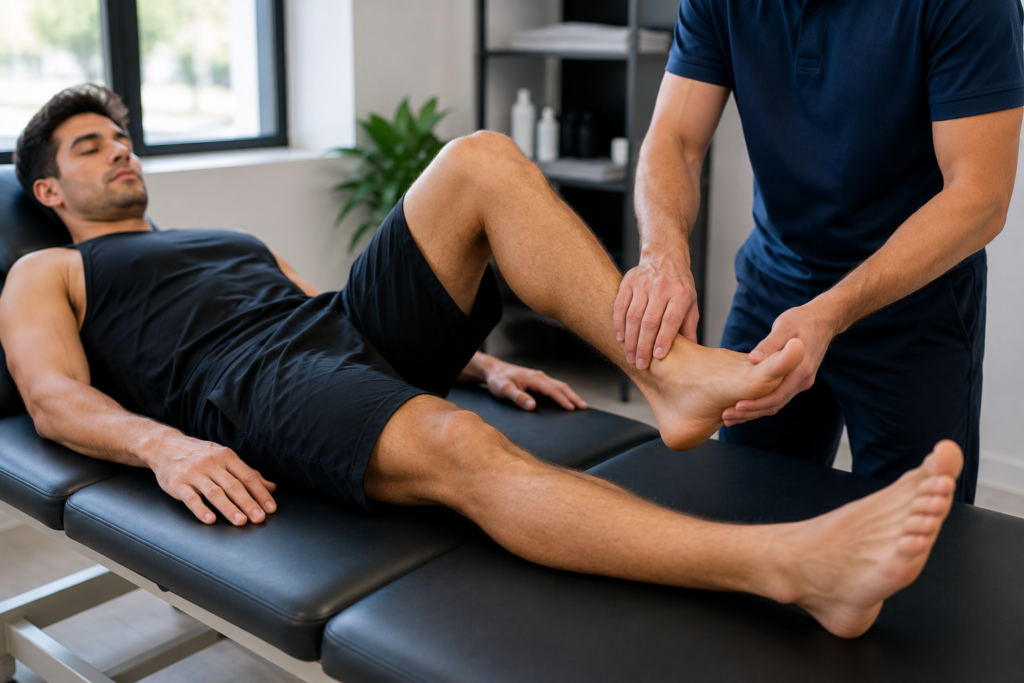
Chiropractic manipulative therapy (CMT) is a hands-on clinical intervention that applies controlled mechanical force to the spine, restoring proper vertebral alignment and optimizing musculoskeletal function.
It’s an evidence-based approach addressing acute and chronic lower back pain, neck pain, herniated discs, and tension headaches — all without medication or surgery.
CMT works by stimulating mechanoreceptors, triggering endorphin release, and reducing muscle tension, collectively improving comfort and restoring range of motion.
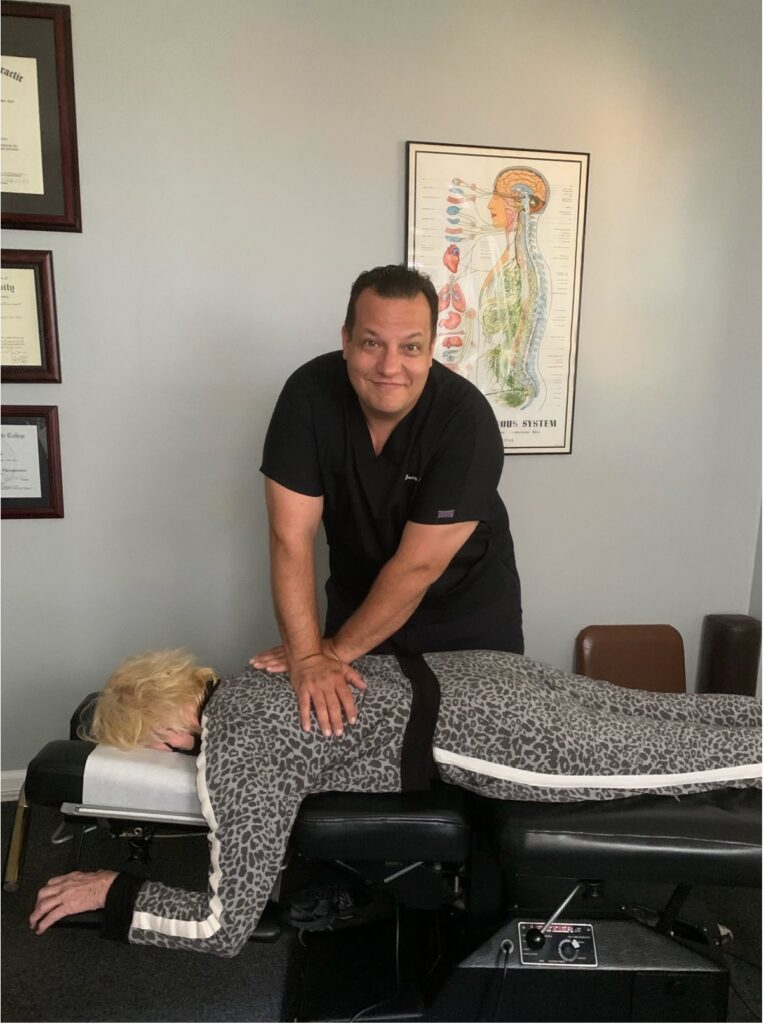
Your chiropractor tailors each session using manual adjustments or instrument-assisted techniques, ensuring treatment precision matched to your patient’s specific condition.
When you integrate chiropractic manipulative therapy into a thorough care plan, you’re delivering measurable improvements in posture, athletic performance, and systemic health — outcomes that directly serve your patients’ long-term well-being and functional independence.
Which Conditions Does Chiropractic Manipulation Treat?
From acute musculoskeletal injuries to chronic degenerative conditions, chiropractic manipulative therapy addresses a broad clinical spectrum. At Cucci Chiropractic, you’ll receive targeted intervention for conditions including:
- Acute and chronic lower back pain – regardless of underlying etiology
- Herniated and bulging discs – reducing nerve compression and associated radicular symptoms
- Neck pain, stiffness, and tension headaches – originating from cervical dysfunction
- Degenerative disc disease – managing age-related spinal deterioration and preserving functional mobility
- Spinal nerve injuries – including pinched nerves and radiculopathy
Each condition responds to precise spinal manipulation by restoring proper joint mechanics, reducing inflammation, and relieving neurological compromise.
If you’re experiencing any of these diagnoses, chiropractic manipulative therapy offers a clinically supported, non-invasive pathway toward measurable symptom relief and improved spinal function.
How Chiropractic Manipulation Relieves Pain and Restores Movement?
When a chiropractor applies controlled force to a restricted spinal joint, it triggers mechanoreceptor stimulation and prompts endorphin release — two physiological responses that drive measurable, natural pain relief.
These adjustments simultaneously reduce muscle tension and restore joint mobility, allowing your patients to move with greater ease and comfort.
Beyond immediate pain reduction, spinal adjustments optimize nerve conduction and improve regional blood flow — outcomes that support both acute recovery and long-term musculoskeletal health.
Evidence confirms these effects extend to conditions including herniated discs, neck pain, and tension headaches.
Regular adjustments also maintain proper spinal alignment, which prevents compensatory dysfunction from developing elsewhere in the kinetic chain.
For the patients you serve, this translates into sustained mobility, reduced recurrence, and measurable improvements in functional quality of life.
Manual vs. Instrument-Assisted Chiropractic Adjustments: Which Is Right for You?
Not all chiropractic adjustment techniques are alike, and selecting the right approach depends on your clinical presentation, tissue sensitivity, and treatment goals.
Manual adjustments deliver hands-on, high-velocity thrusts that mobilize restricted joints, providing immediate tactile feedback and measurable improvements in range of motion. They’re particularly effective when direct joint mobilization is clinically indicated.
Instrument-assisted adjustments utilize specialized devices to apply precise, controlled force, making them appropriate for patients with acute sensitivity, osteoporosis, or pediatric presentations.
Both approaches restore spinal alignment, reduce pain, and improve functional mobility.
Your chiropractor conducts a thorough assessment to determine which technique, or combination of both, best addresses your condition. This individualized methodology guarantees that treatment protocols align with your specific musculoskeletal needs, optimizing therapeutic outcomes and minimizing unnecessary discomfort.
What to Expect From Chiropractic Manipulation at Cucci Chiropractic?
Our initial visit at Cucci Chiropractic begins with a thorough spinal and postural evaluation, during which the chiropractor reviews your symptom history and establishes clear treatment goals.
Serving patients across NY and NJ, the clinic delivers personalized care using both manual and instrument-assisted techniques. During spinal manipulation, controlled force is applied to targeted joints, often producing popping sounds caused by gas release—a normal physiological response.
You can expect the best possible outcomes following a structured treatment series, with timelines discussed during your consultation.
To support recovery, adhere to these post-adjustment protocols:
- Hydrate consistently to facilitate joint recovery
- Perform prescribed gentle exercises to reinforce spinal mobility
- Avoid heavy lifting to prevent setbacks
These evidence-based recommendations enhance treatment effectiveness and sustain long-term musculoskeletal health.