When a muscle or soft tissue problem continues to interfere with the way you move, simply resting the area may not always be enough.
You may notice the same muscle becoming tight every time you exercise. You may feel pulling during a specific movement. Or you may have discomfort that returns whenever you work, lift, run, or perform the same activity repeatedly.
At Cucci Chiropractic, we want to understand why those symptoms keep returning.
We evaluate how your muscles, joints, and movement patterns work together before recommending treatment. For some patients, we may incorporate Active Release Technique (ART) into an individualized care plan.
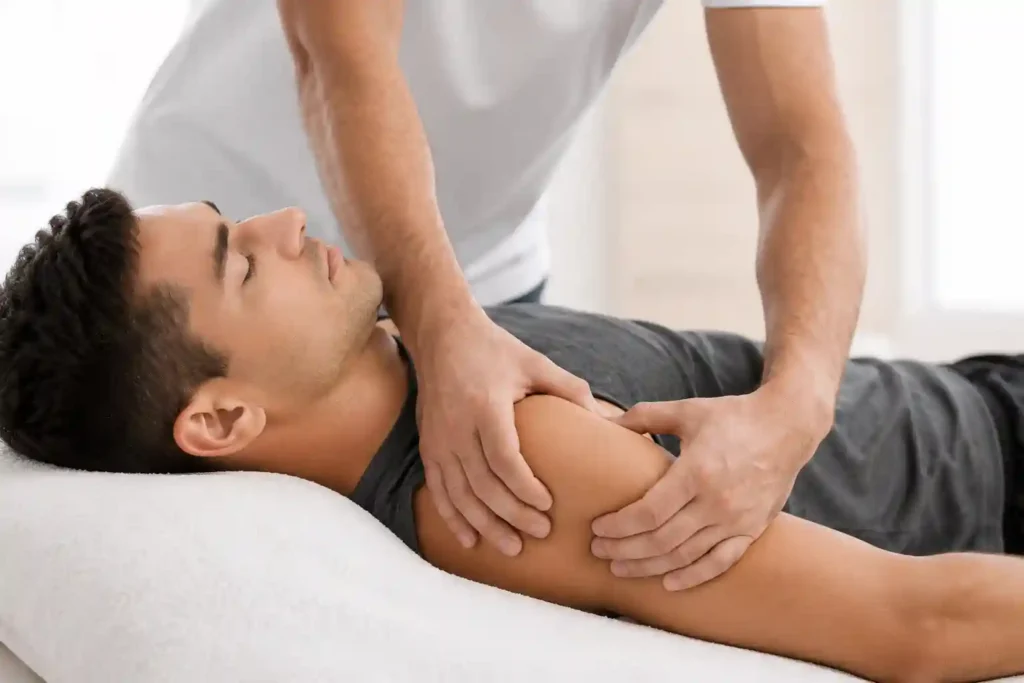
ART is a hands-on soft tissue technique that combines specifically applied pressure with guided movement. Rather than using broad massage strokes, we focus on selected muscles, tendons, and surrounding soft tissues based on what we identify during your evaluation.
We don’t assume every tight muscle requires ART.
Before recommending treatment, we’ll discuss your symptoms, evaluate your movement, and determine whether a targeted soft tissue approach is appropriate for your individual needs.
Book a consultation and we’ll assess whether Active Release Technique is right for you.
Active Release Technique, commonly known as ART, is a hands-on approach used to evaluate and address certain soft tissue restrictions.
The technique focuses on muscles, tendons, ligaments, fascia, and other soft tissues that help your body move.
What makes ART different from many passive soft tissue techniques is the use of guided movement during treatment.
We identify a specific area of tissue and apply controlled contact or pressure. You’ll then move the involved body part through a selected motion while we maintain contact with the tissue.
This combination allows us to work with the tissue as it moves.
The treatment is specific.
We don’t simply massage the entire area or follow the same routine for every patient.
Your symptoms, examination findings, movement patterns, and response to treatment help determine where and how we use ART.
How Does Active Release Technique Work?
Healthy movement depends on muscles and soft tissues that can lengthen, shorten, and move efficiently.
Following injury, repetitive activity, or prolonged physical stress, an area of soft tissue may become tight, sensitive, or restricted.
Your body may begin changing the way it moves to protect the uncomfortable area.
Over time, these compensation patterns may place additional stress on surrounding muscles and joints.
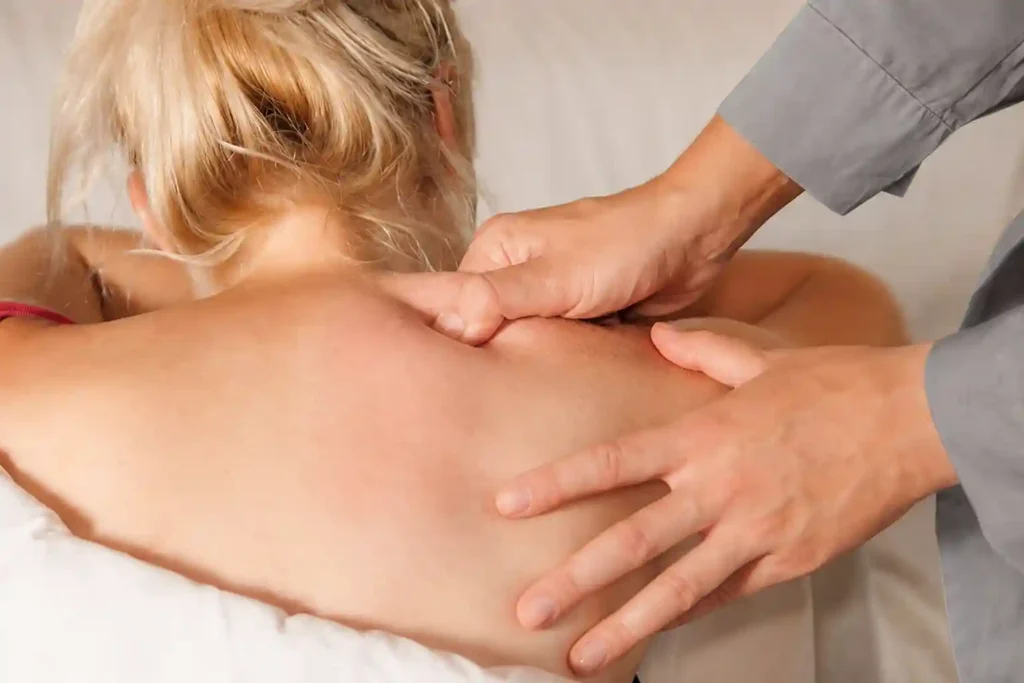
During ART, we identify areas of soft tissue restriction based on your symptoms and physical examination.
We then use specific hands-on contact while guiding you through a movement selected for the involved tissue.
Depending on your condition, our goals may include:
- Addressing areas of muscular tightness
- Supporting comfortable movement
- Improving soft tissue mobility
- Helping you become more aware of movement restrictions
- Complementing chiropractic or rehabilitation care
- Supporting a gradual return to normal activities
ART isn’t a cure for every musculoskeletal condition.
We use it as one treatment option when our evaluation suggests a targeted soft tissue approach may be useful.
What Causes Soft Tissue Restrictions?
There isn’t always one clear cause of muscle or soft tissue tension.
For many patients, several factors contribute to the problem.
Repetitive Movement
Repeating the same activity can place ongoing demands on particular muscle groups.
This may occur with:
- Computer work
- Manual labor
- Repetitive lifting
- Running
- Cycling
- Weight training
- Golf
- Tennis
- Frequent gripping
- Overhead work
Your muscles need time to recover from physical demand.
When the same tissues are repeatedly loaded, you may begin noticing tightness, sensitivity, or discomfort during certain movements.
During your evaluation, we’ll discuss your daily and recreational activities to better understand how repetitive movement may be influencing your symptoms.
Sports and Training
Athletes frequently repeat the same movement patterns.
A runner may take thousands of similar steps during a training session.
A golfer repeatedly rotates through a similar movement.
A weightlifter may perform the same exercise pattern several times each week.
Repetition isn’t automatically harmful.
However, sudden increases in training, inadequate recovery, or changes in movement mechanics may contribute to soft tissue irritation.
If you’re active, our goal isn’t simply to tell you to stop exercising.
We want to understand how you move and identify factors that may be contributing to your symptoms.
Previous Injuries
After an injury, the body often changes the way it moves.
You may unconsciously protect one side.
You may avoid a certain motion.
You may place more weight through another leg or use different muscles to complete an activity.
These compensation patterns may continue even after the original injury begins to improve.
We’ll evaluate your injury history and current movement to determine whether previous injuries may be influencing your symptoms.
Prolonged Sitting and Posture
Muscle and soft tissue problems aren’t limited to athletes.
Hours spent sitting at a computer or maintaining the same position can place ongoing demands on the neck, shoulders, back, and hips.
You may notice stiffness when you stand after sitting.
Your shoulders may feel tight at the end of the workday.
Your hips may feel restricted after a long commute.
When prolonged positions appear to be contributing to your symptoms, we may use ART alongside movement recommendations and other appropriate treatments.
Active Release Technique vs. Traditional Massage
ART and traditional massage aren’t the same treatment.
Massage may be used for relaxation, general muscle tension, or broader soft tissue care.
ART is more targeted.
During an ART session, we focus on specific tissues identified during your evaluation.
You’ll also actively participate in the treatment by moving the involved area while we maintain specific contact with the tissue.
For example, we may position an arm or leg in a selected starting position and ask you to move slowly through a particular range.
This active movement is one of the defining characteristics of ART.
Neither treatment is universally better.
The right approach depends on your symptoms, goals, and physical findings.
If we believe a broader soft tissue technique is more appropriate, we’ll explain why.
If we identify a specific movement-related soft tissue restriction, ART may become part of your treatment plan.
Conditions and Symptoms We Commonly Evaluate
Following a comprehensive evaluation, we may consider ART for patients experiencing certain musculoskeletal concerns, including:
- Persistent muscle tightness
- Repetitive strain symptoms
- Tendon-related discomfort
- Neck and shoulder tension
- Lower back muscle tightness
- Hip and gluteal tension
- Restricted movement
- Sports-related soft tissue discomfort
- Overuse injuries
- Forearm and wrist muscle tension
- Certain sciatica-like symptom patterns
- Muscle strains
- Soft tissue restrictions following injury
A diagnosis or symptom alone doesn’t automatically mean ART is appropriate.
We’ll evaluate your health history and physical findings before making treatment recommendations.
ART for Neck and Shoulder Tension
The muscles of the neck and shoulders work continuously throughout the day.
Computer work, mobile device use, driving, repetitive lifting, and stress may all influence muscle tension in these areas.
You may experience:
- Tightness at the base of the neck
- A recurring knot near the shoulder blade
- Discomfort during head movement
- Shoulder tension after computer work
- Restricted upper body movement
During your evaluation, we’ll assess neck movement, shoulder mechanics, upper back mobility, and muscle function.
If we identify a specific soft tissue restriction that may be contributing to your symptoms, ART may be incorporated into your care.
ART for Tendon-Related Discomfort
Tendons connect muscles to bones and are exposed to repeated physical demands.
Running, lifting, gripping, and repetitive occupational activities may place stress on certain tendons.
Tendon-related symptoms require appropriate evaluation because treatment recommendations can vary depending on the tissue involved and the stage of the condition.
When appropriate, we may use ART as part of a broader treatment plan that also includes activity modifications, movement recommendations, or other conservative therapies.
We don’t promise that hands-on treatment alone will resolve every tendon problem.
Our goal is to select treatment based on your individual condition.
ART for Forearm and Wrist Tension
People who work with computers, tools, or repetitive gripping activities may experience discomfort through the forearm or wrist.
Athletes involved in golf, tennis, or weight training may experience similar concerns.
During your examination, we’ll assess muscle tension, movement, strength, and other findings.
It’s important to distinguish soft tissue symptoms from nerve-related or other conditions.
If your examination suggests another cause of your symptoms, we’ll discuss the appropriate next step.
When muscular or soft tissue restrictions appear to be contributing, ART may be considered as part of your care plan.
ART for Lower Back and Hip Muscle Tension
Lower back and hip muscles work together during walking, sitting, lifting, and exercise.
When one area isn’t moving efficiently, other muscles may begin working harder.
This can contribute to recurring tightness or discomfort.
Rather than treating the tightest muscle alone, we evaluate how your lower back, pelvis, and hips move together.
Depending on our findings, ART may be used alongside chiropractic care, manual therapy, mobility recommendations, or therapeutic movement.
ART for Sports and Active Lifestyles
If you enjoy running, strength training, golf, tennis, cycling, or recreational sports, you want treatment that considers the activities you’re trying to return to.
We don’t evaluate an athlete without discussing the sport.
Your training volume matters.
Your movement patterns matter.
Your recovery habits matter.
During your evaluation, we’ll discuss your activities and identify movements associated with your symptoms.
When ART is appropriate, we use the technique with a specific treatment goal based on your individual findings.
Our goal is to help you understand the factors affecting your movement and develop a realistic plan for returning to activity.
What Does ART Feel Like?
ART is a targeted hands-on technique, so the sensation is different from a relaxation massage.
You may feel pressure as we contact a specific muscle or soft tissue.
As you move through the selected motion, you may notice stretching, pulling, or temporary sensitivity in the treated area.
Treatment shouldn’t feel unnecessarily aggressive.
We communicate with you throughout the session and adjust our approach based on your comfort and response.
The phrase “no pain, no gain” doesn’t guide our care.
More pressure isn’t automatically better.
Our goal is to use an appropriate technique based on your physical findings and treatment needs.
What to Expect During Your First ART Appointment?
Your first visit begins with understanding your symptoms.
We’ll discuss:
- When your symptoms began
- Activities that make them better or worse
- Previous injuries
- Your medical history
- Work demands
- Sports and exercise
- Treatments you’ve already tried
- Your goals for care
Next, we’ll perform a physical examination based on your symptoms.
We may evaluate:
- Range of motion
- Muscle function
- Joint mobility
- Posture
- Movement patterns
- Areas of soft tissue tension
- Orthopedic or neurological findings when appropriate
If we determine that ART may be useful, we’ll explain what we identified and why we’re recommending the technique.
During treatment, we’ll guide you through specific movements while applying controlled contact to the selected tissue.
Your participation is an important part of the technique.
What Can I Expect After ART?
Every patient responds differently.
Some patients notice changes in movement or muscle tension after treatment.
Others experience more gradual changes as care progresses.
You may notice temporary soreness or sensitivity in a treated area.
We’ll discuss what you can expect based on the technique used and your individual condition.
We may also recommend:
- Gentle movement
- Specific stretches
- Activity modifications
- Mobility exercises
- Temporary changes to training
- Other supportive care
Your recommendations will be based on your individual needs.
How Many ART Sessions Will I Need?
There is no universal number of ART treatments that works for every patient.
Your care depends on:
- Your condition
- How long symptoms have been present
- Your activity level
- Previous injuries
- Your treatment goals
- Your response to care
We’ll monitor your progress and reassess your movement throughout treatment.
If you’re improving, we’ll discuss how to continue supporting that progress.
If you’re not responding as expected, we’ll reconsider the treatment plan rather than continuing the same approach indefinitely.
We believe progress should guide care.
How We Combine ART With Chiropractic Care?
Muscles, soft tissues, and joints don’t function independently.
A joint restriction may influence how surrounding muscles work.
Persistent muscle tension may change the way you move.
That’s why ART may sometimes be combined with other treatments.
Depending on your examination, your care plan may include:
- Chiropractic adjustments
- Manual therapy
- Trigger point release
- Kinesiology taping
- Shockwave Therapy
- Mobility recommendations
- Therapeutic movement
- Active Release Technique
We don’t automatically use every technique.
Each treatment should have a clear purpose.
If we recommend combining ART with another therapy, we’ll explain why and how each part fits into your care plan.
Why Choose Cucci Chiropractic for Active Release Technique?
At Cucci Chiropractic, we believe treatment should begin with understanding your movement—not simply finding the area that hurts.
Our approach focuses on:
- Comprehensive evaluations
- Personalized treatment plans
- One-on-one care
- Targeted hands-on techniques
- Clear explanations
- Conservative treatment options
- Honest recommendations
- Ongoing progress assessment
We don’t promise that ART will fix every soft tissue problem.
We evaluate you first.
If ART is appropriate, we’ll explain how we plan to use it and what we’re trying to accomplish.
If another treatment approach is more appropriate, we’ll discuss that honestly.
Schedule Your Active Release Technique Consultation
If muscle tension, repetitive strain, or a soft tissue problem continues to affect the way you move, we’ll help you better understand what may be contributing to your symptoms.
At Cucci Chiropractic, we’ll begin with a personalized evaluation.
We’ll discuss your symptoms.
We’ll assess your movement.
We’ll consider your work, exercise, and previous injuries.
Then we’ll determine whether Active Release Technique or another treatment approach may be appropriate for your individual needs.