
A thorough evaluation is an important first step in developing an appropriate treatment plan. While many musculoskeletal conditions can be assessed through a detailed health history and physical examination, diagnostic imaging may sometimes provide additional information that helps us better understand your condition.
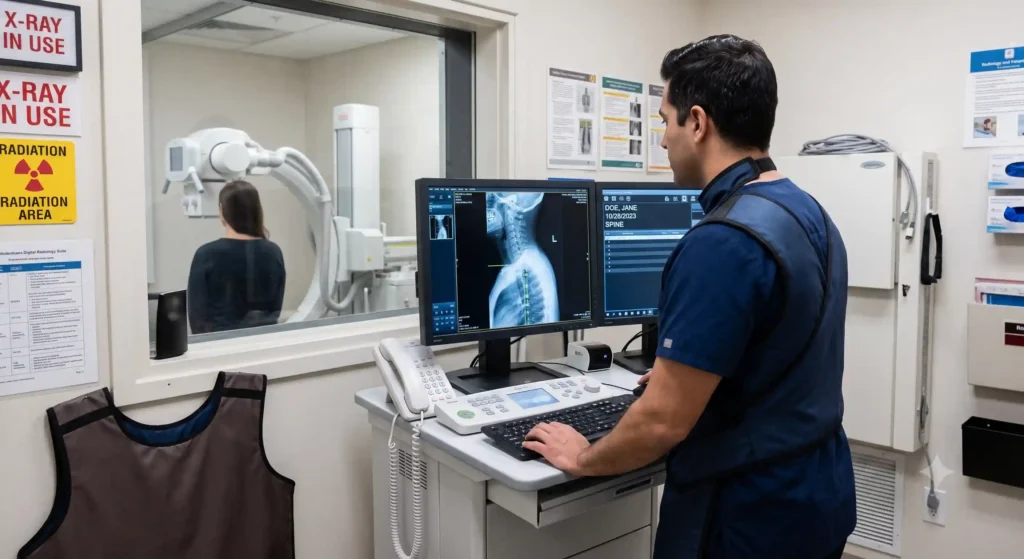
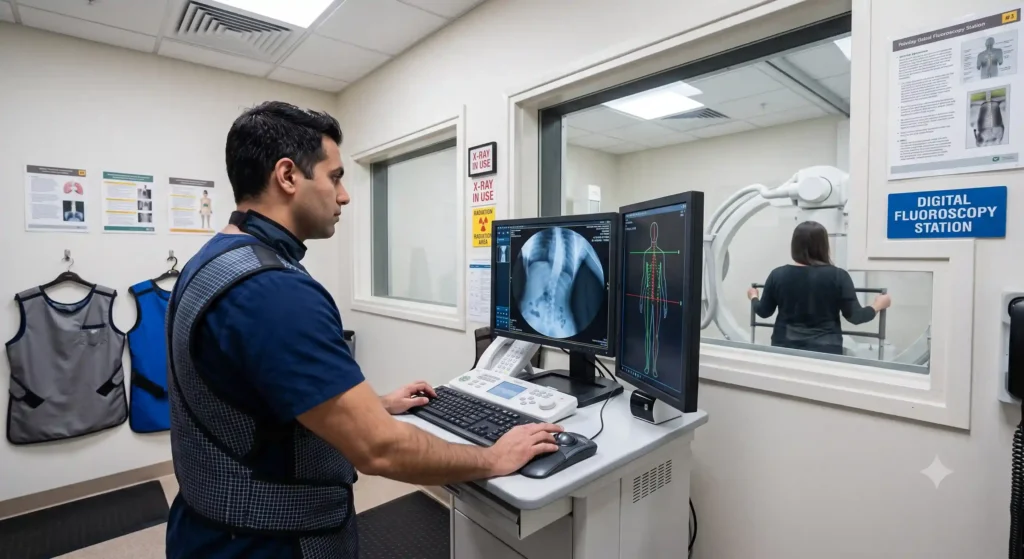
At Cucci Chiropractic, we use diagnostic digital X-rays when they are clinically appropriate to evaluate the bones, joints, and alignment of the spine and other areas of the musculoskeletal system.
Digital X-ray technology allows images to be viewed electronically, making it easier to examine skeletal structures with excellent image quality while streamlining the evaluation process.
Not every patient requires X-rays.
Our decision to recommend imaging is based on your symptoms, medical history, physical examination, and current clinical guidelines. We only recommend diagnostic imaging when it may provide information that supports safe and informed clinical decision-making.
Our goal is to ensure every patient receives personalized care based on their individual needs—not unnecessary testing.
Book a consultation and we’ll assess whether Diagnostic Digital x-rays is right for you.
Digital X-rays are a form of diagnostic imaging that uses electronic sensors to produce detailed images of bones and joints.
Unlike traditional film X-rays, digital systems display images electronically, allowing them to be reviewed, enlarged, and stored securely as part of your medical record.
When clinically appropriate, digital X-rays can help healthcare providers evaluate structural changes within the musculoskeletal system and assist in determining whether chiropractic care is appropriate for your condition.
Digital imaging may be used to evaluate:
- The spine
- Pelvis
- Shoulders
- Hips
- Knees
- Feet and ankles
- Other joints when clinically indicated
The information obtained from X-rays is never considered in isolation.
Instead, imaging findings are interpreted together with your medical history, physical examination, symptoms, and functional assessment to develop a comprehensive understanding of your condition.
Why Might X-Rays Be Recommended?
Most patients do not automatically need X-rays before beginning chiropractic care.
However, imaging may be recommended in certain situations to provide additional clinical information or to help determine the safest course of treatment.
Depending on your condition, digital X-rays may be considered if you have:
- A recent injury or trauma
- Persistent neck or back pain
- Limited spinal mobility
- Significant changes in symptoms
- A history of fractures
- Degenerative joint changes
- Postural concerns that require further evaluation
- Symptoms that warrant additional investigation before treatment
Your chiropractor will explain why imaging is recommended and answer any questions you have before proceeding.
Our approach follows an evidence-informed philosophy that balances the value of diagnostic imaging with the goal of avoiding unnecessary testing.
What Can Chiropractic Digital X-Rays Help Evaluate?
When clinically appropriate, diagnostic digital X-rays provide valuable information about the musculoskeletal system.
They may assist in evaluating:
- Bone structure
- Joint spaces
- Spinal alignment
- Degenerative changes
- Curvature of the spine
- Certain fractures or dislocations
- Arthritic changes
- Structural variations
Digital X-rays may also help identify situations where chiropractic treatment should be modified or where referral for additional medical evaluation may be appropriate.
Because X-rays primarily visualize bones and joints, they are only one component of a comprehensive assessment.
Many conditions affecting muscles, ligaments, tendons, nerves, and other soft tissues may require additional clinical evaluation or different imaging studies when appropriate.
Benefits of Digital X-Ray Technology
Modern digital imaging offers several practical advantages over traditional film-based systems.
Depending on the equipment used, digital technology may provide:
- High-quality diagnostic images
- Faster image availability
- Electronic image storage
- Improved image enlargement and viewing options
- Easier comparison of previous studies
- More efficient communication between healthcare providers when needed
Many digital systems are also designed to operate with lower radiation exposure than older film-based equipment while maintaining excellent diagnostic image quality.
If imaging is recommended, we’ll use the appropriate technique while following established radiation safety principles.
Your Safety Comes First
Patient safety is an important consideration whenever diagnostic imaging is performed.
Before recommending X-rays, we carefully consider whether the information obtained is likely to influence your diagnosis or treatment recommendations.
We’ll also ask questions about factors that may affect imaging decisions, including:
- Recent imaging studies
- Previous surgeries
- Pregnancy or the possibility of pregnancy
- Medical history
- Current symptoms
- Prior injuries
Our goal is to recommend imaging only when the expected clinical benefit outweighs the potential risks.
This patient-centered approach helps ensure that every diagnostic decision supports safe, individualized care.
What Happens During a Digital X-Ray Appointment?
Digital X-rays are typically quick and straightforward.
Before imaging begins, we’ll explain the procedure and answer any questions you may have.
Depending on the area being examined, you may be asked to remove jewelry or other objects that could interfere with image quality.
You’ll then be positioned carefully to obtain the necessary images.
During the examination, it’s important to remain still for a few moments while each image is captured.
The number of images taken depends on the area being evaluated and the clinical information needed.
Most patients complete the imaging portion of their appointment within a relatively short period of time.
Once the images are available, they’ll be reviewed as part of your overall examination.
Understanding Your Digital X-Ray Results
After your digital X-rays have been completed, we’ll review the images alongside your health history, symptoms, and physical examination findings.
An X-ray provides valuable information about your bones and joints, but it represents only one part of the diagnostic process.
Rather than relying solely on imaging, we consider multiple factors before making treatment recommendations.
Depending on your examination, we may discuss:
- Overall spinal alignment
- Joint spacing
- Arthritic or degenerative changes
- Bone structure
- Previous fractures or healed injuries
- Structural variations
- Findings that may influence your treatment plan
If your images suggest that additional medical evaluation or another type of diagnostic imaging would be appropriate, we’ll explain our recommendations and help coordinate the next steps when necessary.
Our goal is to ensure you understand your findings and feel informed about your treatment options.
When Digital X-Rays May Not Be Necessary?
Many patients are surprised to learn that not everyone needs X-rays before receiving chiropractic care.
Current clinical guidelines encourage healthcare providers to recommend imaging only when it is likely to influence diagnosis or treatment decisions.
For many common musculoskeletal conditions, a detailed health history and physical examination provide sufficient information to begin conservative care safely.
We may decide that X-rays are not necessary if:
- Your symptoms are consistent with a straightforward musculoskeletal condition.
- Your examination does not indicate signs that warrant imaging.
- Recent diagnostic imaging already provides the information needed.
- Your symptoms are improving with conservative care.
Avoiding unnecessary imaging helps reduce radiation exposure and supports evidence-informed healthcare.
If imaging later becomes appropriate because your symptoms change or your recovery does not progress as expected, we’ll discuss those recommendations with you.
How Digital Imaging Supports Your Treatment Plan?
When clinically indicated, digital X-rays help us better understand your musculoskeletal health and guide treatment planning.
The information gathered from imaging may help us:
- Determine whether chiropractic care is appropriate.
- Identify areas that require treatment modification.
- Evaluate spinal or joint changes.
- Assist with rehabilitation planning.
- Monitor certain structural changes over time when clinically appropriate.
- Determine whether referral to another healthcare provider is recommended.
Every treatment recommendation is based on the complete clinical picture—not imaging alone.
We combine your X-ray findings with your symptoms, examination results, medical history, lifestyle, and personal goals to develop an individualized plan of care.
Diagnostic Imaging and Conservative Chiropractic Care
Diagnostic imaging plays a supportive role in conservative musculoskeletal care.
When appropriate, digital X-rays may help us make informed decisions about the safest and most appropriate treatment approach for your condition.
Depending on your examination findings, your personalized care plan may include one or more conservative treatment options, such as:
- Chiropractic adjustments
- Manual therapy
- Therapeutic exercises
- Performance rehabilitation
- Neuromuscular re-education
- Stretching programs
- Home exercise recommendations
- Ergonomic education
- Lifestyle recommendations
Not every patient requires every treatment.
Likewise, not every patient requires diagnostic imaging.
Our recommendations are individualized and based on your specific clinical presentation.
What Happens After Your Examination?
Once we’ve reviewed your examination and any imaging findings, we’ll explain our recommendations in clear, understandable language.
During this discussion, we’ll review:
- Your diagnosis or clinical impression, when appropriate.
- Factors that may be contributing to your symptoms.
- Conservative treatment options that may be suitable for your condition.
- Expected goals of care.
- Questions you may have about treatment.
We believe patients should understand their care before treatment begins.
You’ll never be expected to proceed with care without having the opportunity to discuss your options and make informed decisions.
Benefits of the Activator Method
Once we’ve reviewed your examination and any imaging findings, we’ll explain our recommendations in clear, understandable language.
During this discussion, we’ll review:
- Your diagnosis or clinical impression, when appropriate.
- Factors that may be contributing to your symptoms.
- Conservative treatment options that may be suitable for your condition.
- Expected goals of care.
- Questions you may have about treatment.
We believe patients should understand their care before treatment begins.
You’ll never be expected to proceed with care without having the opportunity to discuss your options and make informed decisions.
Why Choose Cucci Chiropractic?
At Cucci Chiropractic, we believe every patient deserves a thoughtful, comprehensive evaluation before treatment begins.
Our approach combines clinical experience with evidence-informed decision-making to determine whether diagnostic imaging is appropriate for your individual situation.
We focus on understanding the complete picture of your musculoskeletal health rather than relying on imaging alone.
Our care emphasizes:
- Comprehensive clinical evaluations
- Personalized treatment recommendations
- Conservative chiropractic care
- Evidence-informed imaging decisions
- Patient education
- Shared decision-making
- Functional rehabilitation when appropriate
- Ongoing progress assessments
We believe patients should understand both their condition and the reasons behind every recommendation.
That’s why we take the time to explain your examination findings, answer your questions, and develop a treatment plan that reflects your goals and individual needs.
Schedule Your Diagnostic Evaluation Today!
If you’re experiencing persistent back pain, neck pain, joint discomfort, or changes in mobility, a comprehensive chiropractic evaluation may help determine whether diagnostic imaging is appropriate as part of your assessment.
At Cucci Chiropractic, we’ll begin with a detailed review of your symptoms, medical history, and physical examination before deciding whether digital X-rays are clinically indicated.
If imaging is recommended, we’ll explain why, review the findings with you, and use that information alongside your examination to develop a personalized treatment plan.