Staying active doesn’t always require a traditional workout.
A walk through a local park, a recreational bike ride, a group fitness class, or an afternoon exploring a neighborhood can all provide opportunities to move your body, spend time with others, and step away from long periods of sitting.
At Cucci Chiropractic, we believe movement should be realistic, enjoyable, and appropriate for the person doing it.
You don’t need to complete an intense boot camp or sign up for a demanding athletic event to support your physical well-being. The best activity is often one that matches your current fitness level, health history, interests, and comfort.
For some people, that may mean walking.
For others, it may include cycling, yoga, recreational sports, or an active group outing.
The goal isn’t to force your body through pain or compete with anyone else. It’s to find sustainable ways to move more often while paying attention to how your body responds.
If pain, stiffness, or an injury is making it difficult to remain active, we can evaluate your movement and help you better understand which activities may be appropriate for your individual needs.
Book a consultation and we’ll assess whether Dynamic Activities is right for you.
Dynamic activities are experiences that involve movement, participation, or physical engagement rather than remaining seated or inactive for long periods.
They can include structured exercise, but they don’t have to.
Examples may include:
- Walking tours
- Recreational cycling
- Yoga
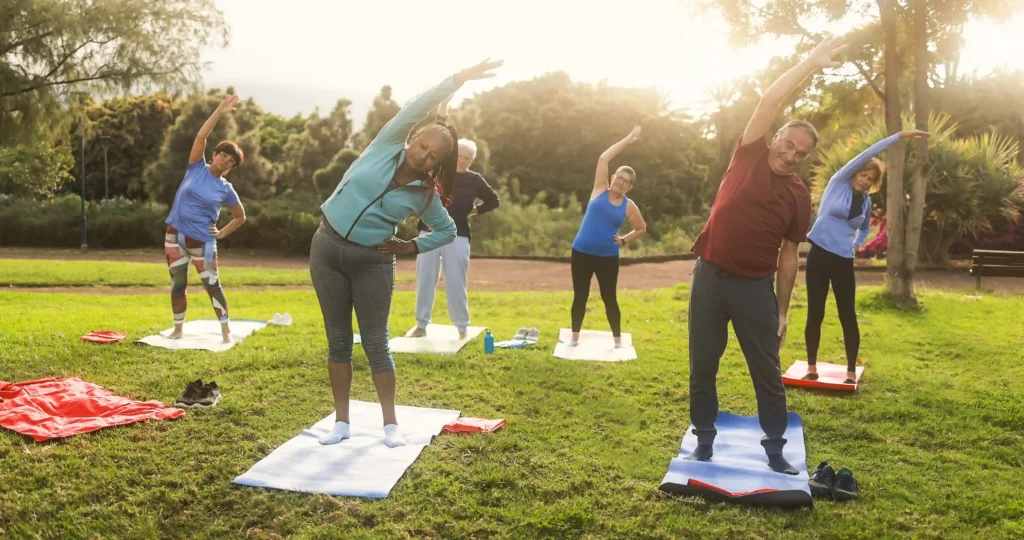
- Outdoor fitness classes
- Hiking
- Dancing
- Scavenger hunts
- Bowling
- Pickleball
- Gardening
- Active cultural outings
- Recreational team activities
- Light group sports
- Movement-based family activities
The amount and intensity of movement can vary considerably.
A gentle walk through a museum district is very different from a steep hike or high-intensity fitness class.
That’s why it’s important to select activities that reflect your current abilities rather than choosing something based only on what looks exciting online.
Why Regular Movement Matters?
The human body is designed to move.
However, many people spend a large portion of the day sitting at a desk, driving, using electronic devices, or remaining in one position.
Over time, prolonged inactivity may contribute to:
- Muscle stiffness
- Reduced mobility
- General fatigue
- Tightness through the neck and shoulders
- Hip stiffness
- Lower back discomfort
- Reduced tolerance for physical activity
Movement doesn’t need to be extreme to be valuable.
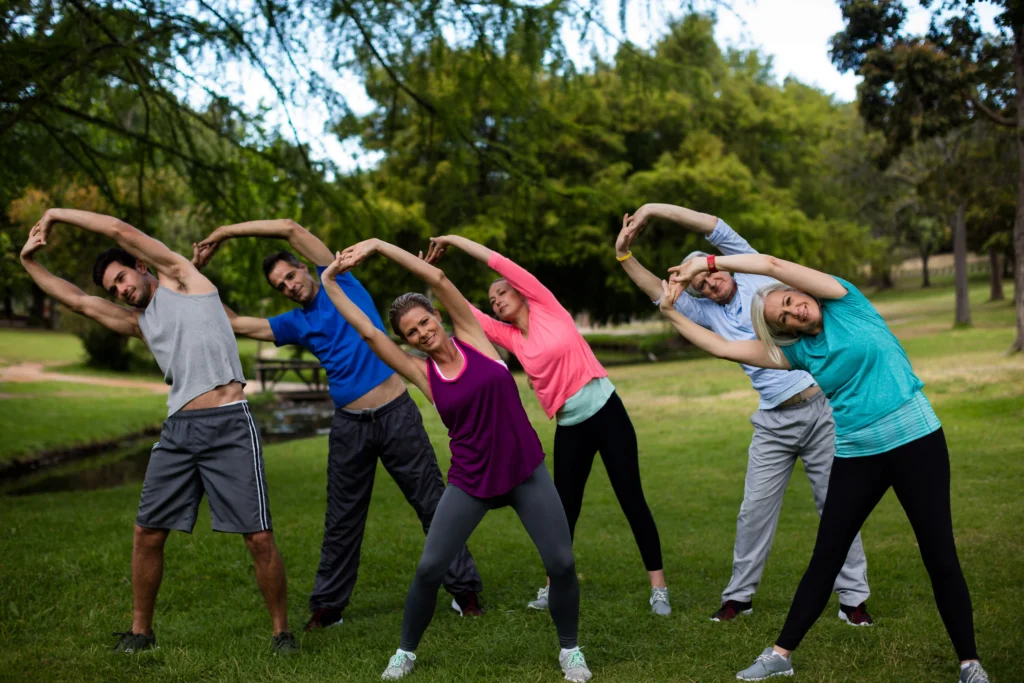
Short walks, gentle stretching, and regular changes in position can all help break up long periods of inactivity.
For some people, group activities make movement easier to maintain because the experience feels social and enjoyable rather than like another obligation.
At Cucci Chiropractic, we encourage patients to think about movement as part of daily life—not only as something that happens inside a gym.
Walking as an Accessible Activity
Walking is one of the most accessible ways to add movement to your day.
It generally requires little equipment and can be adjusted according to your pace, schedule, and physical abilities.
You may choose to walk:
- Through a neighborhood
- In a public park
- Along a waterfront path
- Around a shopping district
- Through a botanical garden
- During a cultural or historical tour
- With coworkers during a break
- With friends or family on the weekend
A walking activity also allows you to control your pace more easily than many competitive sports.
If you’re returning to activity after a period of inactivity, starting with shorter walks may be more appropriate than attempting a long route immediately.
Pay attention to how your body feels during and after the activity.
Temporary muscle fatigue may occur when you begin moving more, but sharp pain, increasing neurological symptoms, or significant discomfort shouldn’t be ignored.
Cycling and Recreational Bike Rides
Cycling may be an enjoyable option for people who prefer a low-impact activity.
A recreational bike ride can provide movement while allowing you to explore parks, paths, and local neighborhoods.
However, your position on the bicycle matters.
A seat that’s too low or too high, handlebars that place you in an uncomfortable position, or a bike that doesn’t fit properly may contribute to unnecessary strain.
Before beginning a longer ride, consider:
- Your current fitness level
- The distance and terrain
- Bicycle fit
- Your riding posture
- Previous injuries
- Weather conditions
- Appropriate safety equipment
If you experience recurring neck, back, hip, or knee discomfort while cycling, we can evaluate your movement and discuss whether joint restrictions, posture, or muscle imbalances may be contributing.
Yoga, Mobility, and Gentle Fitness Classes
Yoga and mobility-focused classes may help some people explore flexibility, balance, breathing, and body awareness.
However, not every yoga pose or fitness movement is appropriate for every person.
Your health history, joint mobility, previous injuries, and current symptoms should influence the exercises you choose.
If you’re new to a class:
- Begin at an appropriate level.
- Tell the instructor about relevant limitations.
- Avoid forcing a position.
- Use available modifications.
- Stop when a movement causes sharp or increasing pain.
- Focus on control rather than depth.
A movement doesn’t need to look impressive to be useful.
The goal is to move within a range that feels appropriate for your body.
Hiking and Nature-Based Activities
Hiking can combine physical activity with time outdoors.
Depending on the trail, it may also place greater demands on balance, leg strength, and cardiovascular endurance than ordinary walking.
Before selecting a route, consider:
- Trail length
- Elevation
- Surface conditions
- Weather
- Your footwear
- Your experience level
- Access to rest areas
- Your current physical condition
A scenic trail can be enjoyable without being technically difficult.
Choosing an appropriate route is more important than completing the most challenging option.
If you’re returning from a lower body injury, gradually increasing distance and terrain difficulty may be more appropriate than immediately attempting steep or uneven trails.
Recreational Sports and Group Games
Recreational activities can make movement more social and engaging.
Bowling, pickleball, shuffleboard, dancing, and other group games may encourage coordination, balance, and repeated movement.
However, activities that appear casual can still involve twisting, reaching, rapid changes of direction, or repetitive arm movements.
Before participating, consider whether you have:
- A recent injury
- Restricted movement
- Significant pain
- Balance concerns
- A condition that affects physical activity
- Limited experience with the activity
A brief warm-up and gradual introduction may help you prepare for unfamiliar movements.
You don’t need to play at maximum intensity to enjoy the experience.
Team-Building Activities That Include Movement
Team-building doesn’t have to involve sitting through another meeting.
Activities that encourage coworkers to move, communicate, and solve problems together may provide a welcome change from the usual work environment.
Options may include:
- Scavenger hunts
- Walking tours
- Recreational bowling
- Beginner-friendly fitness classes
- Group cooking experiences
- Light outdoor games
- Museum or neighborhood challenges
- Escape-room experiences
Not every team-building activity is physically demanding.
Even changing environments, standing more often, and walking between locations can add movement to the day.
When planning for a group, choose an experience that allows different levels of participation.
A good group activity shouldn’t pressure anyone to perform movements they aren’t comfortable completing.
Cultural Activities That Keep You Moving
Cultural experiences can also provide opportunities for light physical activity.
A neighborhood food tour, outdoor art walk, museum visit, historical tour, or local market may involve more walking and standing than people expect.
These activities may be appropriate for groups that want to remain socially engaged without participating in strenuous exercise.
When planning a longer outing, consider:
- Total walking distance
- Availability of seating
- Stairs and accessibility
- Weather
- Appropriate footwear
- Breaks
- Transportation between locations
A little planning can make an outing more comfortable for everyone involved.
Culinary Classes and Interactive Experiences
Cooking classes and other interactive experiences may not appear physically demanding, but they often involve standing, reaching, lifting, and working at a counter for an extended period.
If you experience lower back, neck, or shoulder discomfort, pay attention to your workstation.
You may benefit from:
- Changing position regularly
- Keeping frequently used items within reach
- Avoiding prolonged bending
- Alternating tasks
- Taking brief movement breaks
- Wearing supportive footwear
These small adjustments may help make the experience more comfortable.
How Dynamic Activities May Support Overall Wellness
Dynamic activities can support wellness in several ways.
They may encourage you to:
- Spend less time sitting
- Explore different forms of movement
- Participate in social activities
- Spend time outdoors
- Build consistency
- Improve confidence with physical activity
- Discover activities you genuinely enjoy
The benefits of an activity depend on the person, the intensity, and how regularly it’s performed.
We don’t claim that an escape room, food tour, or social outing will correct a spinal condition.
However, enjoyable activities may help some people become more active and reduce the amount of time they spend sedentary.
That can be a meaningful step toward a healthier routine.
Do Group Activities Improve Spinal Health?
Group activities don’t automatically correct spinal alignment or treat a musculoskeletal condition.
The original version of this page overstated the connection between entertainment activities and spinal health.
A more accurate way to look at it is this:
Activities that involve appropriate movement may help you avoid prolonged inactivity and give you opportunities to use different muscles and joints.
Walking, cycling, fitness classes, and recreational sports may support general mobility, endurance, balance, or strength depending on the activity.
However, the wrong activity—or an activity performed at an inappropriate intensity—may also aggravate an existing problem.
Your response matters.
If you repeatedly experience pain during or after a particular activity, we recommend having the problem evaluated rather than continuing to push through it.
How to Choose the Right Activity?
Before signing up for a new experience, ask yourself:
- What level of physical effort is required?
- How long will the activity last?
- Is there a beginner option?
- Can the activity be modified?
- Will I need to stand or walk for a long period?
- Does it involve running, jumping, or rapid direction changes?
- Do I have an injury or condition that may affect participation?
- What footwear or equipment do I need?
- Is the location accessible?
- How does my body usually respond to similar activities?
Choosing the right activity is about matching the experience to your current abilities.
It isn’t about proving how much discomfort you can tolerate.
Preparing for an Active Outing
Preparation may make your experience safer and more enjoyable.
Depending on the activity, consider:
- Wearing comfortable footwear
- Bringing water
- Checking the route or terrain
- Reviewing accessibility information
- Taking movement breaks during travel
- Beginning with a gentle warm-up
- Avoiding sudden increases in intensity
- Bringing any necessary supportive equipment
- Planning rest breaks
- Communicating limitations to the organizer
If you haven’t exercised regularly, starting gradually may help you better understand how your body responds.
When Pain Is Limiting Your Activities?
Pain can make people hesitant to move.
You may avoid walking because your lower back becomes uncomfortable.
You may stop cycling because your neck feels stiff.
You may turn down group outings because you’re worried you won’t be able to keep up.
At Cucci Chiropractic, we don’t want to simply tell you to exercise more without understanding what’s limiting you.
We evaluate:
- Joint mobility
- Range of motion
- Muscle function
- Posture
- Movement patterns
- Previous injuries
- Activities associated with your symptoms
- Neurological findings when appropriate
If we identify a musculoskeletal issue that may be affecting your activity, we’ll explain our findings and discuss appropriate treatment options.
Depending on your needs, care may include chiropractic treatment, manual therapy, soft tissue techniques, mobility recommendations, or another conservative approach.
Returning to Activity After an Injury
Returning to physical activity after an injury should be gradual and individualized.
Feeling better during ordinary daily activities doesn’t always mean your body is ready for a demanding sport, long hike, or high-intensity class.
Before returning, consider whether you can:
- Complete basic movements comfortably
- Tolerate lower-intensity activity
- Move without significant compensation
- Recover appropriately after exercise
- Increase activity without worsening symptoms
We don’t use the same return-to-activity plan for everyone.
Your injury, goals, and response to movement should guide the process.
Why Choose Cucci Chiropractic?
At Cucci Chiropractic, we believe movement recommendations should be based on the individual—not on a generic list of exercises or activities.
Our approach focuses on:
- Personalized evaluations
- Clear explanations
- Movement-based recommendations
- Conservative care options
- One-on-one attention
- Honest guidance
- Ongoing progress assessment
We don’t promise that one activity will correct your posture or solve every musculoskeletal problem.
We evaluate you first.
If pain or restricted movement is affecting the activities you enjoy, we’ll help you better understand what may be contributing.
If chiropractic care or another treatment approach may be appropriate, we’ll explain why.
If you can safely begin or continue activity with modifications, we’ll discuss those options as well.
Schedule a Movement and Wellness Consultation Today!
You don’t have to stop doing everything you enjoy simply because movement has become uncomfortable.
At Cucci Chiropractic, we’ll begin with a personalized evaluation to understand your symptoms, physical findings, daily activities, and goals.
We’ll assess how you move and determine whether a musculoskeletal issue may be limiting your ability to remain active.
Then we’ll discuss appropriate next steps based on your individual needs.