Plantar Fasciitis Treatment
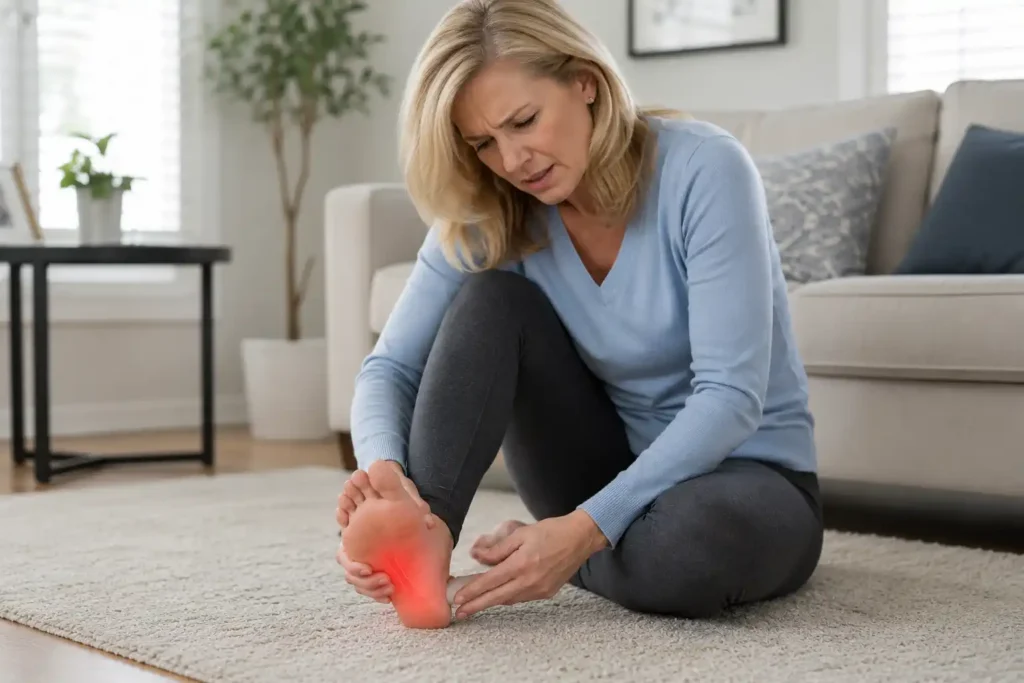
If you’re dealing with sharp heel pain when you take your first steps in the morning or discomfort after long periods of standing, you’re not alone. Plantar fasciitis is one of the most common causes of foot pain, and it can significantly affect your daily routine.
At Cucci Chiropractic, we take a structured, patient-focused approach to care. Rather than focusing only on the foot, we assess how your entire body moves and functions. This helps us identify contributing factors and develop a plan tailored to your needs.
What Is Plantar Fasciitis?
Plantar fasciitis involves irritation of the plantar fascia, a thick band of tissue that supports the arch of your foot and connects your heel to your toes.
Common symptoms may include:
- Sharp heel pain, especially in the morning
- Pain after prolonged standing or walking
- Tightness in the foot or calf
- Discomfort that improves with movement but returns later
This condition often develops gradually and may be influenced by both local foot stress and broader movement patterns in the body.
What Causes Plantar Fasciitis?
Plantar fasciitis is typically not caused by a single issue. It often develops due to a combination of mechanical and lifestyle factors.
Foot and Biomechanical Factors
- Flat feet or high arches
- Abnormal walking patterns (gait issues)
- Limited ankle mobility
Lifestyle and Activity Factors
- Standing for long periods
- Repetitive stress from running or walking
- Unsupportive footwear
Whole-Body Alignment Factors
At Cucci Chiropractic, we also consider how alignment affects the feet:
- Imbalances in the hips or pelvis
- Spinal misalignment affecting weight distribution
- Muscle tightness in the calves or lower back
Addressing these broader factors may help support long-term improvement.
Why Heel Pain Can Persist?
Many people try stretching, rest, or shoe changes, but symptoms can return. This is often because the underlying causes are not fully addressed.
For example:
- Poor movement patterns can continue to stress the plantar fascia
- Muscle imbalances may limit recovery
- Joint restrictions can alter how weight is distributed
Our approach focuses on identifying and addressing these contributing factors, not just the site of pain.
How Chiropractic Care May Help Support Plantar Fasciitis?
Chiropractic care is often used as part of a conservative, non-invasive approach to managing musculoskeletal conditions. At our office, care plans are individualized based on your evaluation.
1. Foot and Ankle Adjustments
Gentle adjustments may help improve joint mobility in the foot and ankle, which can reduce mechanical strain.
2. Spinal and Pelvic Alignment
Improving alignment in the spine and pelvis may support more balanced weight distribution during walking and standing.
3. Soft Tissue Therapy
Techniques such as myofascial release or trigger point therapy may help reduce muscle tension and improve tissue flexibility.
4. Stretching and Strengthening Guidance
We may recommend targeted exercises to support:
- Calf flexibility
- Foot strength
- Improved movement patterns
5. Gait and Posture Assessment
Evaluating how you walk and stand helps identify patterns that may contribute to ongoing stress.
6. Custom Orthotics (If Appropriate)
In some cases, orthotics may be recommended to provide additional support and improve foot alignment.
7. Additional Supportive Therapies
Depending on your condition, care may include:
- Kinesiology taping
- Therapeutic modalities such as laser or shockwave therapy
These approaches are used to support comfort and function as part of a broader care plan.
Who This Care May Help?
Patients who often seek care for plantar fasciitis include:
- Individuals with persistent heel pain
- Runners or active individuals
- People who stand for long hours at work
- Those with flat feet or arch-related concerns
Each case is different, and treatment recommendations are based on a thorough evaluation.
What to Expect During Your Visit?
Your first visit typically includes:
- A detailed health history
- Physical and movement assessment
- Evaluation of posture and gait
If appropriate, we will develop a personalized care plan that may include hands-on treatment and home care recommendations.
We take time to explain each step so you understand your options and feel comfortable with your care.
How Long Does Recovery Take?
Recovery timelines vary depending on:
- Severity of the condition
- Duration of symptoms
- Activity level and lifestyle factors
Some patients notice improvement with consistent care, while others may require longer-term support. Our goal is to help you manage symptoms and improve function safely over time.
Preventing Future Flare-Ups
Preventive strategies may include:
- Wearing supportive footwear
- Maintaining flexibility in the calves and feet
- Addressing posture and movement habits
- Seeking care early when symptoms begin
These steps may help reduce the likelihood of recurring discomfort.
When to Seek Medical Attention
While many cases of heel pain are manageable with conservative care, you should consult a medical provider if you experience:
- Severe or worsening pain
- Numbness or tingling
- Inability to bear weight
- Signs of infection or injury
Chiropractic care may be used alongside medical care when appropriate.
Our Approach to Patient Safety
At Cucci Chiropractic:
- Care is tailored to each individual
- We use conservative, non-invasive methods
- We communicate clearly about expectations and limitations
- We refer out when additional medical evaluation is needed
Your safety and comfort are always our priority.
About Dr. Joseph Cucci
Dr. Joseph Cucci has over 20 years of experience helping patients in New York and New Jersey manage musculoskeletal conditions.
His approach focuses on:
- Spinal alignment and joint function
- Nervous system support
- Individualized care plans
He incorporates a range of chiropractic and therapeutic techniques based on each patient’s needs.
Schedule a Consultation
If heel pain is affecting your daily life, a structured evaluation can help determine the next steps.
Contact Cucci Chiropractic to learn whether this approach may be appropriate for you.