
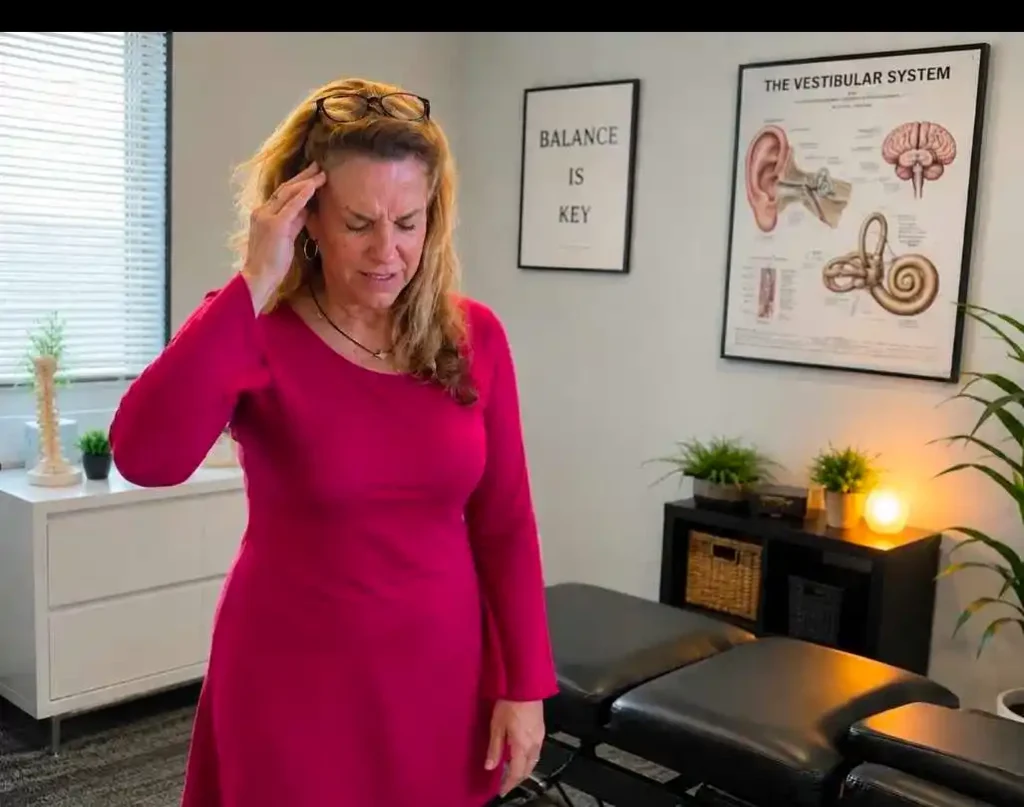
Chiropractic Care for Vertigo and Dizziness
Struggling with Vertigo or Ongoing Dizziness?
Vertigo can feel unsettling. Many patients describe it as a spinning sensation, sudden imbalance, or difficulty focusing while moving or standing still. These symptoms can interfere with everyday activities like walking, driving, or even getting out of bed.
At Cucci Chiropractic, we take a careful and individualized approach to evaluating vertigo symptoms. Our goal is to understand what may be contributing to your dizziness and determine whether chiropractic care may help support your overall balance and comfort.
What Is Vertigo?
Vertigo is a type of dizziness that creates the sensation that you or your surroundings are moving or spinning. It is often related to the inner ear or the body’s balance system, but it can also be influenced by the neck and nervous system.
Some of the most common causes include:
- Benign Paroxysmal Positional Vertigo (BPPV)
- Inner ear disturbances
- Neck-related (cervicogenic) dizziness
- Vestibular system dysfunction
Because vertigo can have multiple causes, proper evaluation is essential before beginning any type of care.
Understanding the Connection Between the Neck and Balance
The cervical spine plays an important role in how your body senses position and movement. When joints or muscles in the neck are not functioning properly, it may affect how signals are sent to the brain.
This is sometimes referred to as cervicogenic dizziness.
Chiropractic care focuses on restoring proper joint motion and supporting nervous system function. In some cases, this approach may help improve coordination and reduce certain types of dizziness related to the neck.
How Chiropractic Care May Help Support Vertigo Symptoms?
Chiropractic care does not treat all causes of vertigo. However, some patients choose this approach as part of a broader care plan, especially when symptoms are linked to the neck or movement patterns.
Care may help support:
- Joint mobility in the cervical spine
- Muscle tension in the neck and upper back
- Communication between the nervous system and body
- Balance and coordination
Results vary depending on the underlying cause of vertigo.
Techniques We May Use
Based on your evaluation, care may include:
Canalith Repositioning Techniques (Epley Maneuver)
Often used when BPPV is identified, this technique involves guided head movements to help reposition inner ear particles.
Gentle Chiropractic Adjustments
Targeted adjustments may help improve motion in the cervical spine and reduce mechanical stress.
Soft Tissue Therapy
Hands-on techniques may be used to reduce muscle tension and improve circulation in the neck.
Vestibular and Balance Exercises
In some cases, specific exercises may be recommended to help improve stability and coordination.
Each care plan is customized based on the patient’s condition, symptoms, and medical history.
What to Expect During Your Visit?
Your first visit is focused on understanding your symptoms and determining whether chiropractic care is appropriate.
This may include:
- A detailed health history
- Discussion of your vertigo episodes and triggers
- Physical and neurological assessment
- Positional testing (if appropriate)
- Review of any prior imaging or medical records
If your symptoms suggest a condition outside the scope of chiropractic care, a referral to a medical specialist may be recommended.
Who This Care May Help?
Some patients who may benefit from supportive chiropractic care include those experiencing:
- Positional dizziness (such as BPPV)
- Neck-related imbalance or stiffness
- Recurring episodes of mild to moderate vertigo
- Dizziness associated with posture or movement
Chiropractic care is often used as part of a broader healthcare approach rather than a standalone solution.
When to Seek Medical Attention?
Vertigo can sometimes be a sign of a more serious condition.
You should seek immediate medical care if you experience:
- Sudden or severe vertigo
- Difficulty speaking or walking
- Vision changes or double vision
- Numbness or weakness
- Persistent or worsening symptoms
Your safety is always the top priority.
Our Approach to Patient Safety
At Cucci Chiropractic, patient safety and accurate diagnosis come first.
Dr. Joseph Cucci brings over 20 years of clinical experience serving patients across New York and New Jersey. Every patient is evaluated individually, and care is provided only when appropriate.
We focus on:
- Clear communication about your condition
- Conservative, evidence-informed techniques
- Collaboration with other healthcare providers when needed
- Respecting your comfort level and treatment goals
We believe informed patients make better healthcare decisions.
Frequently Asked Questions
Can a chiropractor fix vertigo?
Chiropractic care may help support certain types of vertigo, particularly those related to the neck. It does not address all causes, so proper diagnosis is essential.
How many visits are typically needed?
This varies depending on the cause and severity of symptoms. Some patients notice improvement quickly, while others may require a longer care plan.
Is the Epley maneuver safe?
When performed by a trained professional, it is generally considered safe for appropriate cases such as BPPV.
Will my vertigo come back?
Vertigo can recur depending on the underlying cause. Ongoing care or exercises may be recommended to help manage symptoms.
Find Support for Vertigo Symptoms
If you are dealing with dizziness or vertigo, a proper evaluation is the first step.
Our team is here to help you understand your symptoms and determine whether chiropractic care may be appropriate for your situation.